Russian Seashell Blizzard Hackers Breach Critical Infrastructure Targets, Microsoft Warns
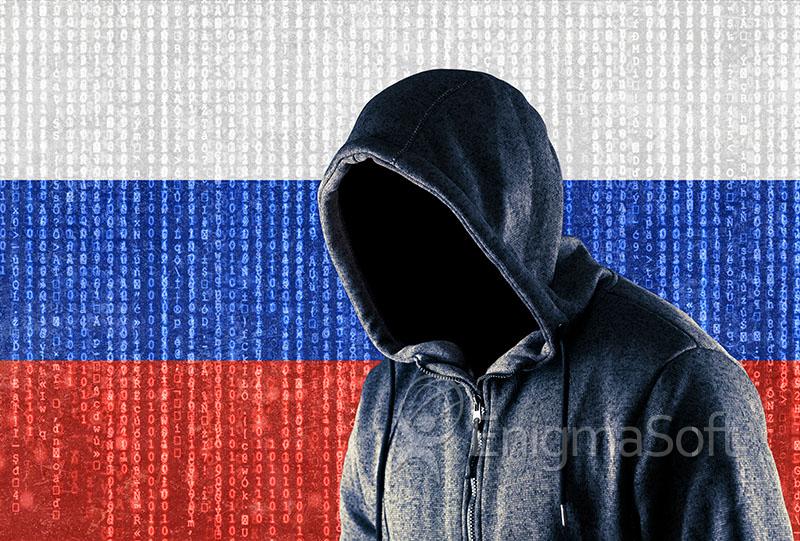
A dangerous Russia-linked hacking group known as Seashell Blizzard has intensified its attacks on critical infrastructure worldwide, raising concerns about long-term cyber-espionage and destructive operations. According to a recent warning from Microsoft, this group is not only infiltrating high-value systems but also embedding itself deeply to maintain long-term control over compromised networks.
Table of Contents
Seashell Blizzard is A Notorious Russian Threat Actor
Seashell Blizzard, also tracked as APT44, BlackEnergy Lite, Sandworm, Telebots, and Voodoo Bear, has been a significant cyber threat since at least 2009. The group is widely believed to operate under Russia’s military intelligence agency, the GRU (specifically Unit 74455). Seashell Blizzard is notorious for its destructive attacks, including the infamous NotPetya ransomware that crippled global businesses in 2017 and the KillDisk malware that targeted Ukrainian critical systems in 2015.
Over the years, Seashell Blizzard has targeted critical infrastructure sectors such as:
- Energy
- Water Supply
- Government Institutions
- Military Networks
- Telecommunications
- Transportation
- Manufacturing
These attacks are not random – they align closely with Russian military objectives, particularly in Ukraine, where cyber warfare has been a key component of Russia’s broader conflict strategy.
A New Subgroup Focused on Persistent Access
Microsoft’s latest report highlights the emergence of a subgroup within Seashell Blizzard that has been operating under the radar for at least four years. This subgroup is dedicated to one critical mission: gaining initial access to vulnerable systems and establishing long-term persistence. This enables the hackers to maintain control over compromised systems for months or even years, ready to launch disruptive attacks at any moment.
Dubbed the BadPilot campaign, this effort has been ongoing since 2021, focusing on infiltrating high-value targets to facilitate broader network compromises. The subgroup’s methods are described as stealthy and highly opportunistic, relying on vulnerabilities in widely-used software and internet-facing systems.
Exploiting Known Vulnerabilities
The attackers are exploiting well-known security flaws in popular systems, including:
- ConnectWise ScreenConnect (CVE-2024-1709)
- Fortinet FortiClient EMS (CVE-2023-48788)
- Microsoft Exchange (CVE-2021-34473)
- Zimbra Collaboration Suite (CVE-2022-41352)
- OpenFire Chat Server (CVE-2023-32315)
- TeamCity Build Server (CVE-2023-42793)
- Microsoft Outlook (CVE-2023-23397)
- JBOSS Servers (Unspecified CVE)
The hackers employ an aggressive “spray-and-pray” approach, scanning the internet for vulnerable systems and attacking them en masse. Once inside, they embed themselves using tools like web shells and Remote Monitoring and Management (RMM) software, ensuring long-term control over the compromised systems.
Alarming Techniques Used to Maintain Control
Once a system is compromised, the subgroup deploys multiple persistence techniques:
- Web Shell Deployments: Providing backdoor access for remote control.
- RMM Tools: Allowing discreet access and further malware deployment.
- Credential Harvesting: Modifying OWA login pages and DNS settings to steal user credentials.
- JavaScript Injection: Adding malicious code to login portals to gather usernames and passwords.
In several cases, this persistent access preceded destructive attacks, suggesting that the hackers maintain a dual-purpose capability – espionage and sabotage – depending on Russian military and geopolitical needs.
Global Expansion: U.S. and U.K. Now in the Crosshairs
While Ukraine has been the primary focus of Seashell Blizzard’s cyber operations, Microsoft’s report reveals that this subgroup expanded its reach in 2023, targeting organizations in the United States and the United Kingdom. The expansion signals a dangerous shift, suggesting that Russia’s cyber warfare playbook is broadening its scope to include Western nations.
A Persistent and Escalating Threat
Microsoft warns that this subgroup is not slowing down. In fact, it is likely to continue evolving and deploying innovative techniques to infiltrate networks across the globe. With Russia’s ongoing war in Ukraine and rising geopolitical tensions, cyberattacks against critical infrastructure could escalate into devastating real-world consequences.
Protecting Your Organization Against Seashell Blizzard
Organizations in critical sectors must take immediate action to defend against this persistent threat:
- Patch Known Vulnerabilities: Ensure systems running ScreenConnect, Fortinet, Exchange, Zimbra, OpenFire, and other targeted software are fully updated.
- Strengthen Network Security: Deploy multi-factor authentication (MFA), restrict access to sensitive systems, and monitor for unusual activity.
- Monitor for Persistence: Conduct regular security audits to detect unauthorized web shells, RMM tools, or modifications to login pages and DNS configurations.
- Incident Response Readiness: Prepare for potential disruptive attacks by developing a comprehensive response plan and ensuring backups are secure and regularly tested.
Final Warning
Seashell Blizzard and its initial access subgroup represent a clear and present danger to critical infrastructure globally. Their relentless pursuit of persistent access could serve as a precursor to large-scale cyber sabotage, capable of disrupting energy grids, water supplies, transportation systems, and government operations. Microsoft’s latest findings are a stark reminder: The next major cyberattack could already be lurking inside critical systems, waiting for the signal to strike.