Increasing Cybersecurity Risks for U.S. Federal Agencies Threaten Human Safety
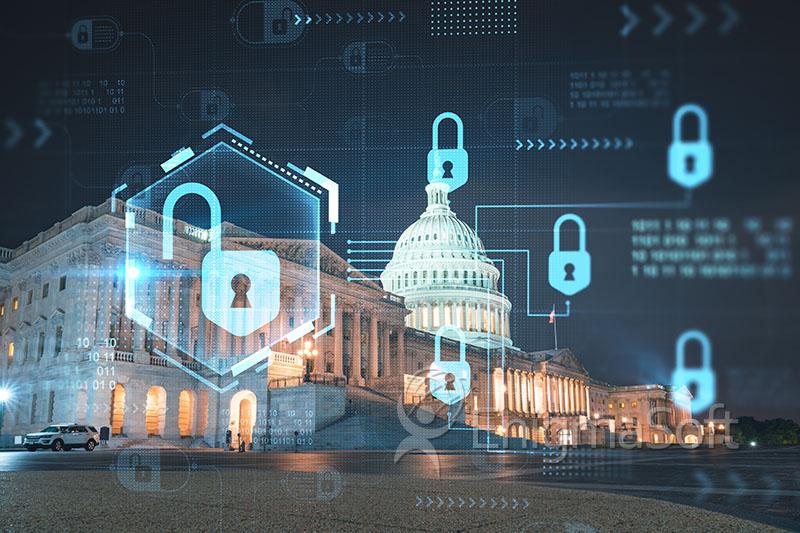
The cybersecurity landscape for U.S. federal agencies is facing growing threats, as highlighted in a recent report by the U.S. Government Accountability Office (GAO). The report underscores the escalating risk of cyber-attacks targeting the nation's critical technology systems, posing potential dangers to public safety, national security, the environment, and the economy.
Table of Contents
Rising Incidents and Vulnerable Sectors
In fiscal year 2022, federal agencies reported a staggering 30,659 information security incidents to the Department of Homeland Security (DHS). These incidents are not isolated to a single sector; they span across vital areas such as public health, energy, and transportation. The report emphasizes that the increasing number of cyber-attacks could result in severe repercussions for human safety and essential services.
Marisol Cruz Cain, a Director in GAO’s Information Technology and Cybersecurity team, highlighted the significant amount of personal information that federal agencies are tasked with protecting. "It’s really about the policies and procedures around how to protect that," Cain stated, stressing the importance of robust cybersecurity measures.
Unimplemented Recommendations
Since 2010, the GAO has issued over 1,600 recommendations aimed at bolstering cybersecurity protections. However, more than 500 of these recommendations have yet to be fully implemented. The report warns that until these recommendations are put into action, the federal government will struggle to ensure the security of its systems and critical infrastructure, as well as the privacy of sensitive data. This lag in implementation heightens the risk of the nation being unprepared for cyber threats that could lead to significant damage.
Performance Measurement Challenges
A key issue identified in the report is the inability of some federal agencies to effectively track the progress of their cybersecurity strategies. Cain pointed out that without outcome-based performance measures, it's challenging to gauge the success of these strategies. "A lot of time and effort was put into creating a strategy, but if we have no way to measure the success of that strategy, then we’re not sure that it is working well," she explained.
Budgetary Constraints and Priorities
Federal agencies cite budgetary constraints and competing priorities as significant barriers to implementing the outstanding cybersecurity recommendations. Despite these challenges, there has been progress in securing the nation's systems and data. Cain noted that malicious actors often stay one step ahead, necessitating a shift in the federal government's cyber posture from reactive to proactive.
Importance of Information Sharing
One of the critical takeaways from the GAO report is the need for improved information sharing within the federal government and between the government and other essential sectors, including education, healthcare, technology, and energy. Effective communication and collaboration are crucial for enhancing the nation's cybersecurity resilience.
The increasing cybersecurity risks facing U.S. federal agencies are a matter of urgent concern. The GAO's findings highlight the need for swift implementation of cybersecurity recommendations, better performance tracking, and enhanced information sharing. Addressing these challenges is vital to protecting human safety, national security, and the overall well-being of the nation.