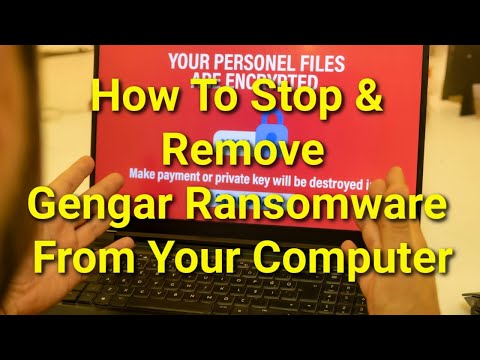
Gengar Ransomware
As digital threats evolve, safeguarding personal and professional data is more crucial than ever. Ransomware attacks, like the sophisticated Gengar Ransomware, highlight the critical need for robust security practices. This threatening program targets unsuspecting users, encrypts their files, and requests a ransom for decryption, leaving victims with limited options if unprepared.
Table of Contents
What is the Gengar Ransomware?
The Gengar Ransomware is a newly identified ransomware strain designed to lock users out of their files by encrypting them. Once it infiltrates a system, it appends the .gengar extension to affected files, rendering them inaccessible. A ransom note titled .info.txt is created, detailing the attack and instructing victims to contact the developers at restoreyourfiles.gengar@gmail.com. Cybercriminals demand the payment of a ransom in exchange for a decryption key, preying on users who are desperate to regain access to their data.
The Impact of a Gengar Attack
The consequences of a Gengar Ransomware infection can be devastating. Personal documents, photos and business-critical files may be rendered unusable. Beyond data loss, victims face the ethical dilemma of whether to pay the ransom, which encourages further attacks and provides no guarantee of file recovery.
Best Security Practices to Guard against Ransomware
- Maintain Regular Backups: Routinely back up essential files to secure offline locations. This will guarantee that even if ransomware strikes, you can recuperate your data without paying a ransom.
- Upgrade Software and Operating Systems: Keep all devices updated with the latest security fixes. Outdated systems are prime targets for ransomware, as they often contain known vulnerabilities.
- Use Reputable Security Solutions: Install and maintain anti-ransomware programs. These utensils can detect and block ransomware before it executes on your system.
- Be on Alert with Email Attachments and Links: Ransomware often spreads through phishing emails. Avoid accessing attachments or clicking links from unknown or suspicious senders.
- Enable Strong Authentication: Use strong, unique passwords and enable two-factor authentication (2FA) to add layer security to your accounts and devices.
- Restrict Permissions: Limit user privileges on your devices. Avoid using administrator accounts for everyday activities to diminish the potential damage of a ransomware attack.
- Educate Yourself and Your Team: Awareness is a critical line of defense. Understand common ransomware tactics and train others to recognize potential threats.
What to Do If You’re Infected
If the Gengar Ransomware infects your system, disconnect from the Internet immediately to block further spread. Do not pay the ransom, as it funds cybercriminal activities and doesn’t guarantee decryption. Instead, seek assistance from cybersecurity professionals who may have access to decryption tools.
Stay Vigilant against Digital Threats
The Gengar Ransomware exemplifies the growing sophistication of ransomware attacks. By adopting proactive security measures and staying informed, users can minimize risks and protect their valuable data from these relentless threats.
Gengar Ransomware Video
Tip: Turn your sound ON and watch the video in Full Screen mode.