Does Browsing the Web in Incognito Mode Protect You?
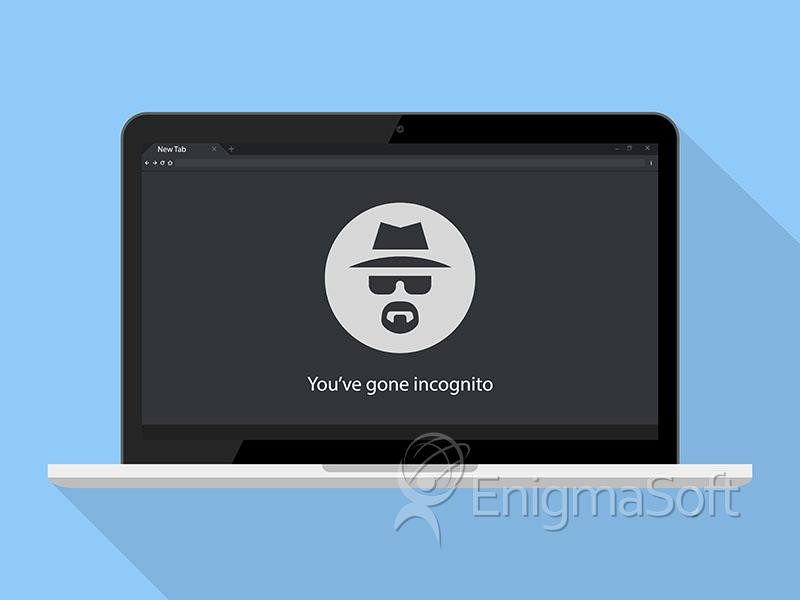
The use of private browsing modes, such as Google Chrome's "Incognito" feature, has been a topic of discussion recently due to a legal settlement aimed at enhancing user privacy. This settlement, revealed in a federal court, seeks to provide stricter safeguards for users utilizing Incognito mode, potentially valuing the enhanced privacy protections at billions of dollars based on the value of personal information safeguarded.
Private browsing modes, including Incognito, offer users a fresh start in their browsing sessions by eliminating browsing history and cookies upon closure of the session. This can be useful for avoiding personalized suggestions based on browsing history and protecting sensitive information, such as health-related searches, from being stored locally. However, it's essential to recognize the limitations of private browsing modes. While they prevent local storage of browsing data, they do not conceal a user's identity or activities from websites, search engines, or internet service providers.
For instance, Google's recent settlement over allegations of illegal surveillance highlighted that even in Incognito mode, users' activities may still be visible to the search giant and other third parties. Additionally, private browsing does not protect against downloading malicious files or bookmarks, leaving users vulnerable to security threats.
Alternatives like virtual private networks (VPNs), privacy-focused search engines like DuckDuckGo, and specialized browsers like Tor offer additional layers of privacy protection. However, it's crucial to exercise caution and conduct thorough research when selecting these options, as they may also pose security risks if not properly vetted.
Ultimately, while private browsing modes and other privacy-enhancing tools can mitigate some risks, it's essential to recognize that achieving complete anonymity online is challenging, if not impossible. Users should remain vigilant about their online privacy and take proactive measures to protect their personal information.